
History
We led award-winning platforms for organizations including the LA Department of Cultural Affairs, LA Department of Transportation, Global Cultural Districts Network, and CA for the Arts—spanning cultural asset mapping, open data, and community engagement tools.
Atelier‑RE began in 2013 as a small, independent practice focused on making complex civic and cultural stories easier to understand and act on. Over those early years, the studio’s work moved fluidly between UX research, public space, and cultural programming—helping city departments, arts organizations, and community partners translate messy, lived realities into clear interfaces, maps, and prototypes. What started as a set of experimental projects around neighborhoods, data, and storytelling gradually evolved into a consistent practice at the intersection of culture, design, and urban systems.
Between 2015 and 2020, Atelier‑RE’s work matured into larger collaborations with departments like the LA Department of Cultural Affairs and the LA Department of Transportation, contributing to award‑winning civic platforms and cultural asset mapping efforts. Those years were defined by building LAB‑style environments inside institutions, where staff could test new ideas, learn digital tools, and co‑design products with their communities rather than for them. The studio’s projects from this period helped shape how cultural data shows up in public sector decision‑making—through interactive maps, accessible web tools, and plain‑language narratives that could travel from community meetings to policy memos.
From 2020 to 2025, Atelier‑RE expanded its role from project partner to strategic advisor, working alongside large cultural networks, federal agencies, and universities on product strategy, accessibility, and data storytelling. The practice helped teams navigate the shift to hybrid and digital engagement, especially during and after the pandemic, by treating cultural infrastructure as something that extends across platforms, neighborhoods, and institutions. By 2025, Atelier‑RE had established a track record of helping organizations see their cultural ecosystems more clearly—identifying community anchors, surfacing resilience, and building roadmaps that connect mission, technology, and the everyday lives of the people they serve.
Founder Bio
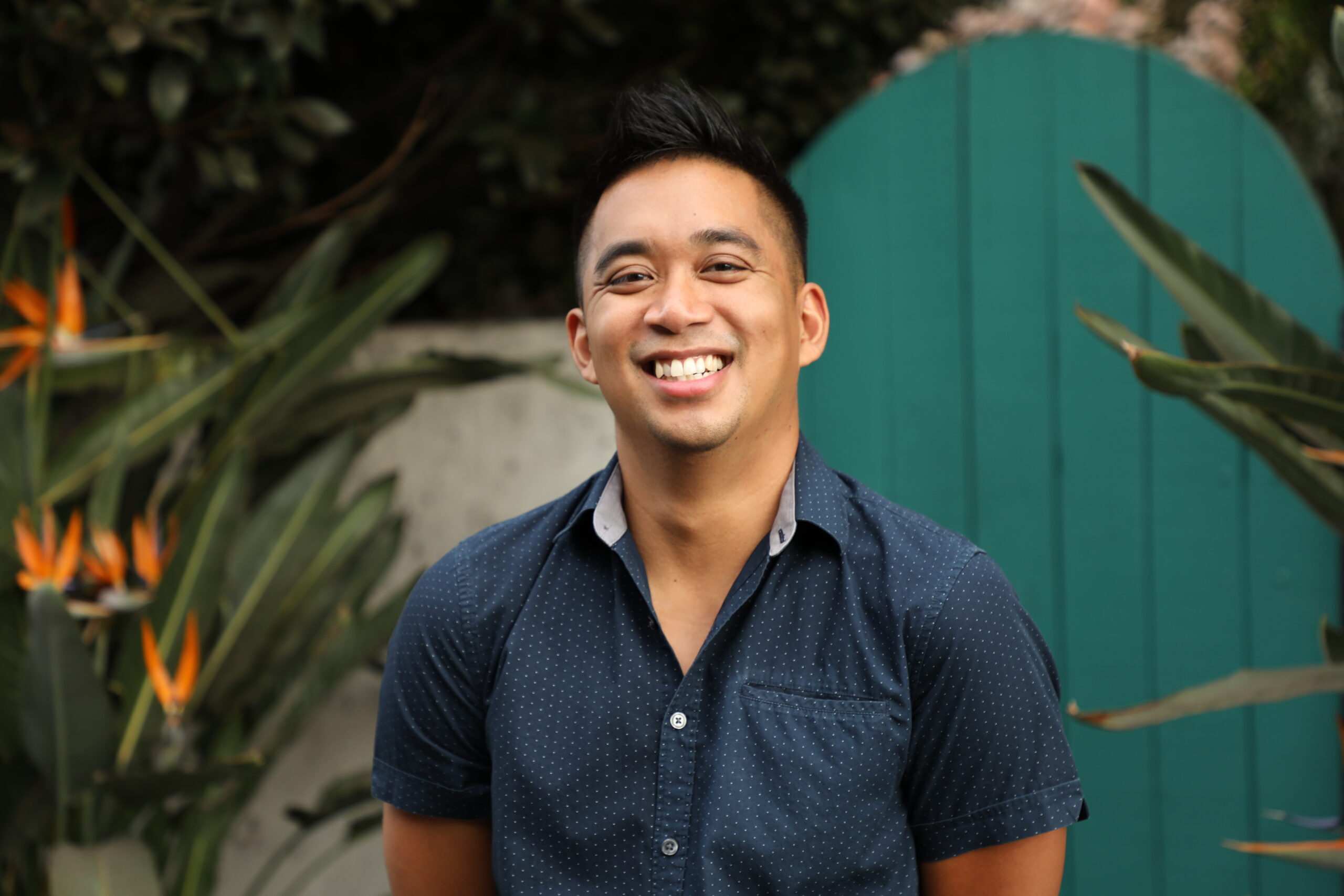
Path of a Cultural Infrastructure Architect
Michael’s journey began with a question architecture school couldn’t answer: how do you design for communities, not just buildings? His MFA in Media Design Practices in 2012 opened a new path—but entrepreneurship tested it. Co-founding a design startup taught him what he didn’t want: work disconnected from public purpose.The turning point came quietly.
Volunteering with LA Department of Transportation in 2013, Michael discovered civic design’s transformative power. That unpaid work became his calling—translating community needs into digital systems that serve millions. People St (Los Angeles’ 1st active transportation placemaking program) earned Fast Company’s top-5 recognition. LA GeoHub (part of the LA Open Data intiative 2014-2017) won Government Technology Magazine’s Outstanding IT Project Award. Vision Zero LA 2025 (a multi-department initative to address crash collision among vulnerable populations) reshaped urban safety planning.
Simultaneously, he worked as cultural strategist on an innovation incubator at Los Angeles Dept of Cultural Affiars where municipal staff learned cultural technology, while teaching the next generation at ArtCenter as a Adjunct Faculty Council Representative. The work scaled from neighborhood cultural districts, CA state offices to federal platforms.
As a GCDN – Los Angeles 2025 Co-Lead Rapporteur, Michael synthesized many years of cultural infrastructure expertise into international dialogue on LA’s creative economy. Now he guides universities, museums, and think tanks through digital transformation—not as outside consultant, but as a trusted consultant who’s already built the innovation ecosystems institutions are planning. He designs systems rooted in values, resilience, and public good—because he chose that path when it mattered most.
Path of a Cultural Infrastructure Architect
Michael’s journey began with a question architecture school couldn’t answer: how do you design for communities, not just buildings? His MFA in Media Design Practices at ArtCenter in 2012 opened a new path—but entrepreneurship tested it. Co-founding a design startup taught him what he didn’t want: work disconnected from public purpose.The turning point came quietly.
Volunteering with LA Department of Transportation in 2013, Michael discovered civic design’s transformative power. That volunteer work became his calling—translating community needs into digital systems that serve millions. People St earned Fast Company’s top-5 recognition. LA GeoHub won Government Technology Magazine’s Outstanding IT Project Award. Vision Zero LA 2025 reshaped urban safety planning.
Simultaneously, he worked cultural strategist on an innovation incubator at Los Angeles Dept of Cultural Affiars where municipal staff learned cultural technology, while teaching the next generation at ArtCenter as Adjunct Faculty Council Representative. The work scaled from neighborhood cultural districts, CA state offices to federal platforms.
As a GCDN – Los Angeles 2025 Co-Lead Rapporteur, Michael synthesized 13+ years of cultural infrastructure expertise into international dialogue on LA’s creative economy. Now he guides universities, museums, and think tanks through digital transformation—not as outside consultant, but as a trusted consultant who’s already built the innovation ecosystems institutions are planning. He designs systems rooted in values, resilience, and public good—because he chose that path when it mattered most.
Past and Current Clients
CA for the Arts | CA Arts Advocates
AEA Consulting | Global Cultural District Network
LA Mayor’s Office of Eric Garcetti
18th Street Arts Center
Los Angeles Department of Transportation
Los Angeles Department of Cultural Affairs
South LA Promise Zone Working Group
LAMAG – Los Angeles Municipal Arts Gallery
Hollyhock House Foundation
ONE Archives
A research studio at the intersection of product strategy, cultural infrastructure, and data storytelling. Interested in how we can work with you, book a consult below!
Quick Links
Get In Touch
© All Rights Reserved | Atelier-re | 2026